
Content:
- 1 What Makes a Donut “Handcrafted” (and Why Customers Pay More)
- 2 Why a Handcrafted Donut Franchise Can Be More Profitable Than a Commodity Donut Shop
- 3 Randy’s Donuts: A Handcrafted Brand With a Cult Following (and a Scalable Model)
- 4 What to Look For When Choosing a Premium Dessert Franchise
- 5 How to Get Started With the Randy’s Donuts Franchise Opportunity
- 6 Frequently Asked Questions About the Randy’s Donuts Franchise Opportunity
If you’re considering franchising, positioning matters more than ever. Consumers are no longer choosing purely on price. They are choosing based on experience, brand, and quality. That shift has created an opportunity for operators who understand how premium positioning translates into stronger customer loyalty and higher perceived value.
A handcrafted donut franchise is not simply a donut shop with upgraded flavors. It is a strategic approach to product, pricing, and brand identity. It is built on differentiation, visual appeal, ingredient integrity, and consistency.
Randy’s Donuts represents this premium model in action. With more than 70 years of brand recognition and an unmistakable cult-following presence, Randy’s is not competing in the commodity donut space. It operates as a premium donut franchise, attracting customers who seek quality, craveability, and share-worthy products.
For franchise candidates, that distinction matters. Premium positioning supports pricing flexibility, brand loyalty, and repeat traffic. It allows operators to compete on value rather than discounting. In a crowded quick-service category, that is not a small advantage.
What Makes a Donut “Handcrafted” (and Why Customers Pay More)
The word “handcrafted” is often overused in food marketing. In the context of a handcrafted donut franchise, it has a specific operational meaning.
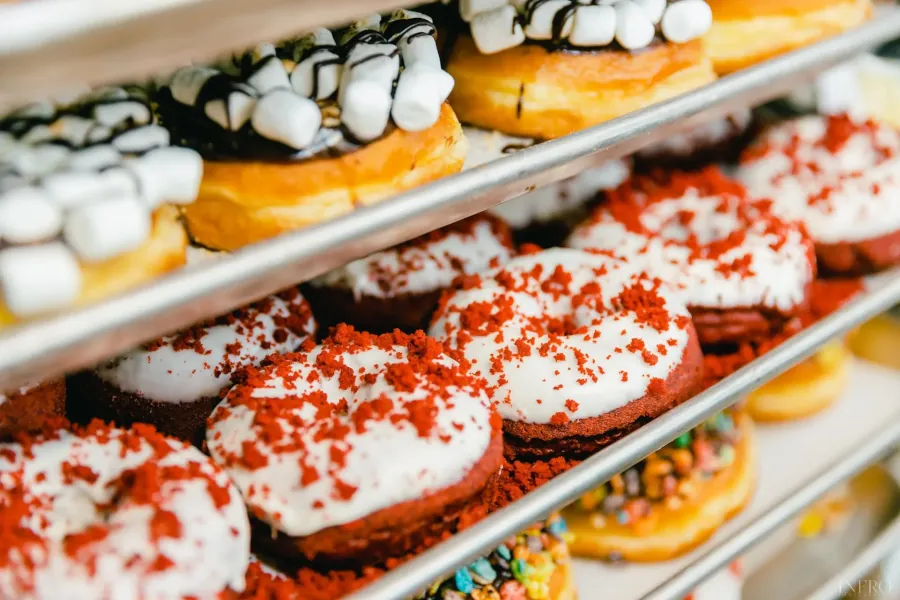
A handcrafted donut is defined by ingredient quality, flavor development, craftsmanship, and presentation. It is designed to stand apart from mass-produced modern alternatives because it was crafted from an iconic, timeless recipe. It commands attention in display cases. It photographs well. It feels elevated.
This approach aligns with broader consumer behavior trends. Across the restaurant and dessert categories, customers increasingly gravitate toward specialty and artisanal offerings. They are willing to pay more for perceived quality, unique flavor builds, and memorable presentation.
The premium dessert segment continues to benefit from this “trade-up” behavior, particularly among younger and urban demographics who prioritize experience-driven purchases.
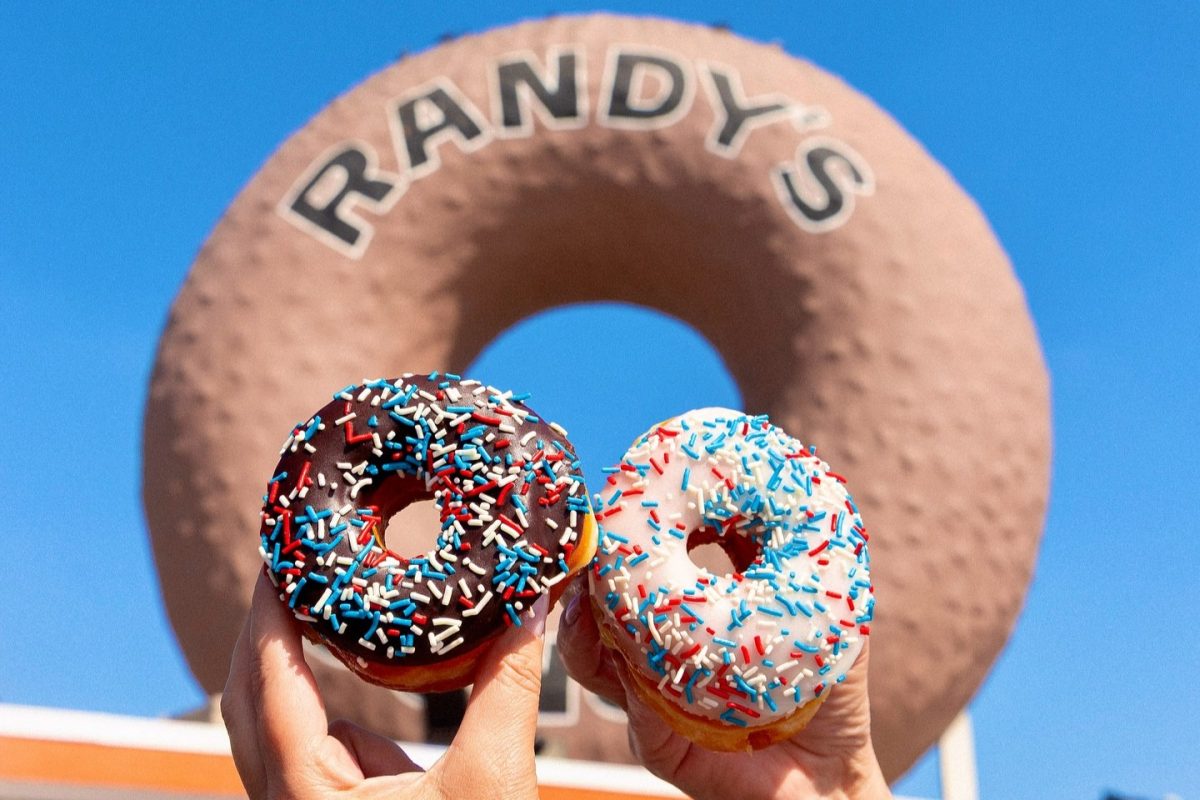
Randy’s Donuts has built its reputation on distinctive, oversized donuts, signature glazes, and recognizable branding that reinforces this premium identity.
Premium pricing is not about charging more for the sake of margin. It is about delivering visible, tangible quality that justifies that price.
In a true artisanal donut franchise model, ingredients are selected for flavor and consistency. Recipes are standardized for repeatability. Execution is tightly controlled through training and operational systems. The result is a product that signals quality before the first bite.
This concept is often referred to as premiumization. Consumers respond positively when quality signals are clear. They associate craft, freshness, and distinctive presentation with value. That perception supports pricing discipline and protects against pure price competition.
For franchise operators, this translates into a business model less dependent on discounting and more aligned with brand strength. Execution consistency is critical, which is why training and operational support matter.
Randy’s franchise support systems are designed to maintain that premium standard across a wide range of locations.
Instagram-worthy products drive discovery (and repeat visits)
Marketing efficiency matters in franchising. Visually distinctive products reduce the cost of customer acquisition because customers share them organically.
Randy’s Donuts is known for oversized donuts, bold designs, and iconic brand visuals that photograph naturally. In the premium dessert space, social sharing acts as amplification. A single visually striking product can generate online exposure that traditional advertising cannot replicate at the same cost.
This dynamic lowers marketing friction and supports discovery in new markets. It also reinforces repeat visits, as customers return for new flavors, limited-time offerings, or seasonal builds.
For franchise candidates, that means the product itself functions as part of the marketing engine. That synergy between product and promotion is a meaningful advantage within the broader donut franchise opportunity category.
Why a Handcrafted Donut Franchise Can Be More Profitable Than a Commodity Donut Shop
In franchising, positioning often determines economics. A commodity donut shop competes primarily on price and convenience. It attracts traffic through familiarity and discount-driven behavior. That model can generate volume, but it leaves little room for differentiation.
A handcrafted donut franchise, by contrast, competes on experience, brand identity, and perceived quality. That shift changes how customers evaluate value. When a product feels premium, customers are less sensitive to price and more focused on the overall experience.
Premium positioning also reduces reliance on heavy discounting. Operators are not racing to the lowest price point. Instead, they are delivering a product that justifies its price through taste, presentation, and brand recognition.
This approach supports stronger brand differentiation within the broader donut shop franchise landscape. In competitive retail corridors, being distinctive is an asset. It creates memorability. It builds repeat visitation. It attracts customers who are seeking something specific rather than something generic.
Randy’s Donuts operates squarely within this premium segment. Its identity as an American icon, combined with its distinctive product lineup, reinforces its position outside of the commodity space.
The “experience” factor: brand story, craveability, and consistency
Consumers do not line up for generic products. They line up for brands with stories, reputations, and consistent execution.
Randy’s Donuts carries more than seven decades of brand legacy. That longevity is not simply a marketing talking point. It reflects sustained consumer demand and repeat patronage across generations. Brand recognition lowers the friction typically associated with opening a new food franchise location.
Craveability also matters. A premium dessert purchase is often emotional rather than purely transactional. Customers return because the experience feels rewarding and reliable.
Consistency is the final piece. Premium positioning only works if it is delivered consistently across locations. Franchisees benefit from established systems that protect brand standards and ensure that every customer interaction reinforces the same high-quality experience.
Category momentum: donuts continue to evolve with specialty innovation
The donut category has evolved beyond basic offerings. Specialty flavors, limited-time creations, and visually distinctive builds have reshaped consumer expectations.
Recent industry reporting continues to show strong consumer interest in specialty and premium dessert concepts, particularly those that combine indulgence with novelty. As food categories mature, innovation becomes a growth driver.
Randy’s Donuts aligns with this evolution through ongoing product creativity while preserving its core identity. That balance of heritage and innovation helps maintain relevance without sacrificing brand integrity.
For franchise candidates, category momentum combined with a premium brand platform creates a foundation for sustained interest. This is a perfect choice for franchise investors who want to participate in an established segment while still benefiting from product innovation.
Randy’s Donuts: A Handcrafted Brand With a Cult Following (and a Scalable Model)
A premium product alone does not make a strong franchise opportunity. It must be supported by systems designed for repeatability and expansion.
Randy’s Donuts combines recognizable branding with an operational structure built for growth. The Randy’s Donuts franchise model is designed to help operators enter markets with clarity around branding, product standards, and development pathways.
The brand’s cult-following status strengthens new unit launches. Customers often recognize the name before a location even opens. That recognition can support early momentum and reduce the burden of educating the market from scratch.
Equally important is scalability. The franchise system is structured to support both single-unit operators and those pursuing multi-unit development.
Premium positioning you can market locally (without being “generic”)
In crowded QSR and dessert markets, being generic is a liability. Premium positioning allows franchisees to market locally without blending into the background.
Distinctive product visuals, iconic branding cues, and a clear quality message create immediate differentiation. Instead of competing solely on convenience, operators can position their locations as destination dessert experiences.
That distinction helps attract customers from a wider trade area. It also supports marketing campaigns built around product launches, seasonal offerings, and special events.
Premium market positioning is not about exclusivity. It is about clarity. Customers know what they are getting, and that confidence builds loyalty.
Built for growth: the hub-and-spoke approach
Scalability is a key consideration for franchise investors evaluating long-term opportunity. Randy’s Donuts utilizes a hub-and-spoke approach designed to support operational efficiency across multiple units.
In this model, central production or supply coordination can support satellite retail locations. This structure can improve consistency and streamline certain operational functions, particularly for multi-unit operators.
The hub-and-spoke concept aligns with broader multi-unit development strategies within food franchising. It is structured to allow expansion while maintaining product standards and brand consistency.
What to Look For When Choosing a Premium Dessert Franchise
Not all premium concepts are created equal. For investors evaluating a handcrafted donut franchise or broader dessert opportunity, several factors separate strong systems from short-lived trends:
- Brand equity matters. A recognizable name reduces customer education costs and supports faster local traction. Brands with long-standing consumer loyalty carry inherent momentum into new markets.
- Product differentiation must be defensible. A concept built solely on novelty may struggle once competitors replicate its offerings. Sustainable premium positioning requires distinctive recipes, recognizable presentation, and consistent quality standards.
- Operational scalability is critical. A franchise must offer systems that allow growth without sacrificing execution. Training, supply chain coordination, and development planning all influence whether expansion remains manageable.
- Category relevance should be evaluated. Dessert and specialty bakery segments continue to evolve, but not every concept adapts successfully. Investors should assess whether a brand has demonstrated longevity and the ability to innovate within its category.
Randy’s Donuts meets these criteria through its heritage, cult following, operational structure, and continued product evolution. That combination positions it as more than a novelty concept within the broader donut franchise opportunity landscape.
How to Get Started With the Randy’s Donuts Franchise Opportunity
For prospective franchisees, clarity in the evaluation process is essential. Randy’s Donuts provides a structured pathway for candidates interested in exploring ownership.
The first step is reviewing the brand’s franchise opportunity details and confirming alignment with investment goals, operational expectations, and market availability. This initial exploration helps determine whether the concept fits within a candidate’s broader portfolio strategy.
From there, prospective operators engage in deeper discussions regarding territory planning, support systems, and development timelines. The goal is transparency, not pressure. Successful franchise relationships are built on alignment between brand standards and operator expectations.
Randy’s Donuts supports both emerging entrepreneurs and experienced multi-unit operators. Its systems are designed to maintain premium brand standards while enabling expansion. Contact us today to learn more about our franchising opportunities.
Frequently Asked Questions About the Randy’s Donuts Franchise Opportunity
What makes Randy’s Donuts a handcrafted donut franchise?
Randy’s Donuts differentiates itself through premium ingredients, distinctive oversized products, recognizable branding, and decades of consumer loyalty. The brand competes in the premium segment rather than the commodity donut space.
How is a handcrafted donut franchise different from a standard donut shop?
A premium donut franchise emphasizes quality, brand positioning, and experience. Rather than competing primarily on price, it competes on differentiation and perceived value.
Premium positioning allows brands to maintain pricing aligned with quality perception. Customers often associate ingredient integrity, presentation, and brand legacy with value, which supports pricing discipline.
Is the Randy’s Donuts franchise scalable?
Yes. The system is designed to support growth, including multi-unit development strategies and hub-and-spoke operational models.
How do I begin the franchise evaluation process?
Interested candidates can begin by visiting the franchise opportunity page or contacting the Randy’s Donuts franchise development team directly through the website.